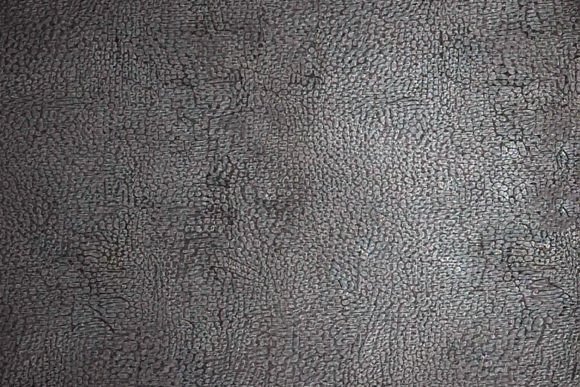
Textured Leather Background_Texture Wall
In the realm of digital design and visual communication, the choice of background material significantly influences the overall tone and perception of a project. The Textured Leather Background_Texture Wall collection represents a specific category of high-fidelity assets designed to bridge the gap between organic realism and digital precision. This portfolio is not merely a set of images; it is a curated library of surface details intended to add depth, authenticity, and character to various creative outputs.
At its core, this collection focuses on three primary visual themes: genuine leather surfaces, animal skin patterns, and textured wall finishes. Each asset within the suite is engineered with a resolution of 5000x3333 pixels at 300 dpi. This technical specification ensures that the textures are suitable for both screen-based applications and large-format print media without losing clarity or introducing pixelation. For professionals seeking to elevate their work beyond flat colors and gradients, understanding the nuances of these textures is essential.
Understanding the Composition and Aesthetic Value
The term Textured Leather Background_Texture Wall encompasses a diverse range of tactile simulations. The leather textures included in this set are designed to replicate the natural imperfections found in genuine hides. These include subtle grain variations, creases, and tonal shifts that occur naturally in processed leather. Unlike generic patterns, these files capture the complexity of real-world materials, providing a sophisticated edge that can convey luxury, durability, or ruggedness depending on the application.
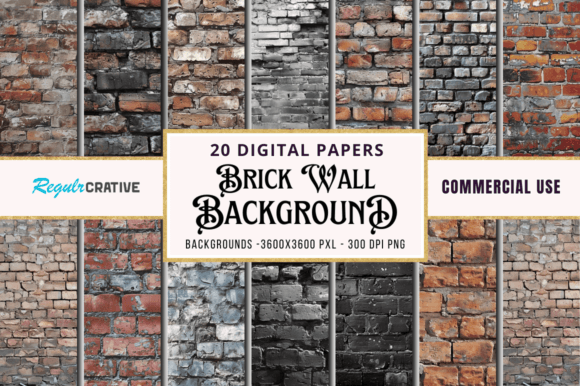
Beyond leather, the collection features an animal skin background component. This element introduces unique patterns such as reptile scales or exotic fur textures, offering a more dramatic visual impact. These designs are particularly useful when a project requires a bold statement or a connection to nature-inspired aesthetics. Additionally, the textured wall background options provide a structural element. From redesigned dot wall textures to revamped plaster-like finishes, these backgrounds add architectural context to layouts, preventing designs from appearing too sterile or two-dimensional.
Strategic Applications in Design Projects
Designers and marketers often evaluate texture packs based on the specific problems they solve. The primary advantage of utilizing the Textured Leather Background_Texture Wall assets lies in their ability to lend authenticity to digital compositions. In an era where users are increasingly skeptical of overly polished, artificial imagery, realistic textures ground a design in reality.
- Brand Identity: High-end brands frequently utilize leather and stone textures to communicate quality and heritage. Incorporating these elements into packaging or website headers can subtly reinforce a brand's premium positioning.
- Editorial Layouts: In magazine design or blog posts, a textured wall background can serve as a neutral yet engaging canvas that allows typography and photography to stand out without competing for attention.
- Product Visualization: When showcasing products like furniture, footwear, or accessories, placing the item against a matching leather or animal skin background creates a cohesive narrative about the product's intended use and environment.
The versatility of these files makes them suitable for multiple roles. They can function as the dominant visual element, setting the mood immediately, or as subtle detailing used in overlays to add grain and reduce the "digital smoothness" of vector graphics.
Technical Considerations and Workflow Integration
While the aesthetic benefits are clear, practical considerations must be addressed before integrating these textures into a workflow. The high resolution (5000x3333) and 300 dpi standard ensure compatibility with professional printing standards. However, this level of detail comes with file size implications. Large image files can increase loading times on websites if not optimized correctly. Designers should consider compressing these assets appropriately for web delivery while maintaining sufficient quality for print.
Furthermore, the lighting conditions implied by the texture must align with the rest of the composition. A highly detailed leather texture often implies specific lighting angles that cast shadows and highlights. If a designer places a brightly lit product photo onto a dark, shadowed leather background without adjusting the lighting, the result may appear disjointed. Successful integration requires careful manipulation of opacity, blending modes, and color correction to ensure the texture supports rather than conflicts with the main subject.
Evaluating Alternatives and Tradeoffs
While the Textured Leather Background_Texture Wall collection offers significant value, it is not the only solution available. Designers must weigh the pros and cons against other options based on their specific project goals.
Situations where this collection is a strong fit:
- Projects requiring a tangible, tactile feel that stock vectors cannot provide.
- Campaigns targeting audiences interested in fashion, automotive, or interior design where material quality is a selling point.
- Print projects where the 300 dpi resolution is mandatory for sharp output.
Situations where alternatives may be worth considering:
- Minimalist Approaches: If the design philosophy relies on negative space and simplicity, complex textures might clutter the layout. In such cases, solid colors or very subtle noise gradients may be more appropriate.
- Mobile-First Web Design: For mobile interfaces where performance is critical, heavy texture files can slow down page loads. Lightweight SVG patterns or CSS-generated noise might be a better technical choice.
- Abstract Concepts: If the goal is to represent futuristic or abstract ideas, organic textures like leather or animal skin may feel too grounded or traditional.
Making the Final Decision
Selecting the right texture pack is a strategic decision that depends on the balance between artistic vision and technical constraints. The Textured Leather Background_Texture Wall collection stands out due to its focus on high-resolution realism and variety. It caters to designers who need to create immersive environments quickly without photographing physical materials themselves.
However, the decision to use these assets should not be automatic. Designers should ask whether the specific mood of the leather, animal skin, or wall texture aligns with the message they intend to convey. Does the sophistication of the leather match the brand voice? Does the ruggedness of the animal skin fit the target demographic? Answering these questions ensures that the texture serves a functional purpose rather than acting as mere decoration.
Ultimately, the value of this collection lies in its ability to transform flat designs into dynamic experiences. By providing a rich palette of realistic surfaces, it empowers creators to break new grounds in creativity. Whether used to amplify a theme or to provide a subtle layer of detail, these textures offer a reliable foundation for high-quality visual storytelling. For those prioritizing authenticity and high-definition output, this portfolio represents a robust resource for modern design challenges.